



 Creekside Smiles Pediatric Dentistry – November 4, 2026

How Does Lactose Intolerance Affect Children’s Teeth?
Creekside Smiles Pediatric Dentistry – September 3, 2026 TLDR
Your child does not need to consume dairy to have strong, healthy teeth. Plenty of non-dairy foods provide important nutrients, and regular preventive visits with our pediatric dentist in Steele Creek, Charlotte, NC, can help keep their smile on track.
Is milk good for teeth and gums?
The answer is yes! Milk is rich in calcium, which helps support strong, healthy teeth. However, children with lactose intolerance may consume less dairy and miss out on important nutrients found in dairy products.
The good news is that lactose intolerance does not automatically mean poor dental health. Dr. Lucas, our pediatric dentist in Steele Creek, Charlotte, NC, explains how dairy can benefit developing teeth and what parents can look for in dairy-free alternatives.
Milk and Healthy Teeth
Milk, yogurt, and cheese contain a few components that can benefit your child’s teeth:
- Casein proteins can form a protective layer on the tooth surface, helping protect enamel.
- Calcium and phosphorus help maintain and strengthen the minerals in teeth. Dairy products may also help reduce the effects of acids in the mouth.
- Dairy products containing probiotics may support a healthier balance of bacteria in the mouth and may help lower the risk of cavities.
- Milk can increase saliva production, which helps wash away food particles and acids.
If your child has symptoms of lactose intolerance, these nutrients don’t have to disappear from their diet. Other foods and drinks can help fill the gap.
Building Strong Teeth Without Dairy: The Alternative Menu
There are plenty of non-dairy foods that provide calcium and other nutrients your child needs.
Plain Yogurt
Unsweetened lactose-free yogurt is a simple way to get calcium and probiotics without the added sugar found in many flavored options.
Calcium-Fortified Soy Milk
Calcium-fortified soy milk can provide calcium and vitamin D, both important for bone and tooth development. Choose an unsweetened variety when possible.
Leafy Greens
Vegetables such as kale, bok choy, and collard greens contain calcium and folic acid that help support tooth structure.
Spinach, broccoli, cabbage, and cauliflower can also be part of a balanced diet that supports good oral health.
Nuts and Seeds
Almonds, sesame seeds, and tahini provide calcium along with other nutrients. Depending on your child’s age and dietary needs, you can add them to meals or snacks.
Legumes and Soy Foods
Beans, lentils, chickpeas, edamame, and calcium-set tofu provide protein and minerals that support healthy teeth and bones. Try adding them to soups, salads, or main meals.
Watch for Added Sugar in Dairy-Free Alternatives
A dairy-free label does not necessarily mean a product is a better choice for your child’s teeth. Some dairy-free drinks and foods contain added sugar, and frequent sugar exposure can increase cavity risk.
Watch for these:
- Flavored almond milk
- Sweetened oat milk
- Sweetened coconut milk beverages
- Soda and other sugary drinks
Advanced Prevention: Professional Mineral Treatments
Good oral habits and a balanced diet matter, but some children may need extra protection against cavities.
Fluoride Treatment
Fluoride treatments apply a concentrated amount of fluoride to the teeth. Fluoride helps strengthen enamel and can lower the risk of cavities.
During routine visits, our pediatric dentist in Charlotte, NC, may recommend a fluoride treatment based on your child’s individual needs.
Dental Sealant
Our dental sealant for kids covers the small grooves and pits on the back teeth. This makes it harder for food and bacteria to collect in those areas, where brushing can be difficult. Sealants are often recommended for children and teenagers who are more likely to develop cavities in their back teeth.
How Can Creekside Smiles Help Your Child Build Strong Teeth?
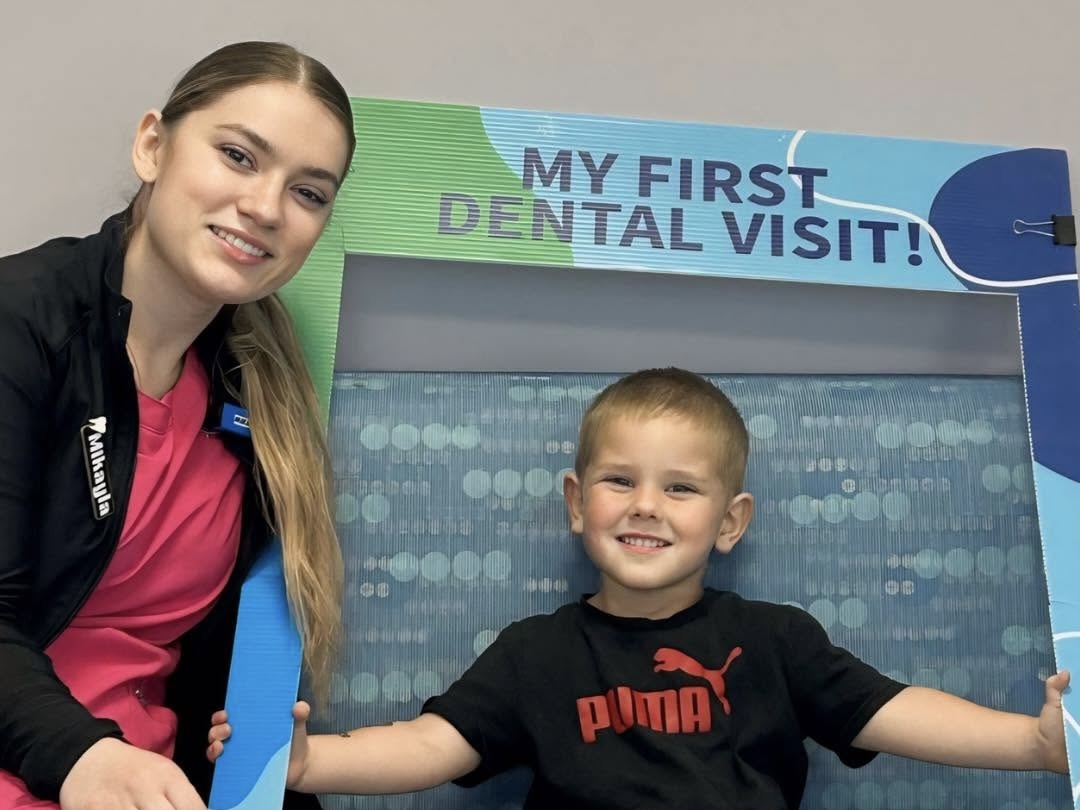
At Creekside Smiles Pediatric Dentistry, we know that managing lactose intolerance while keeping up with your child’s dental health can leave parents with many questions. Our pediatric dentist in Charlotte, NC, can help you understand your child’s nutritional needs and how their diet may affect their teeth.
Regular checkups let us monitor tooth development and catch potential problems early.
Depending on your child’s needs, fluoride treatments and dental sealants may provide additional protection against cavities. Schedule a consultation to discuss your child’s dental care with our team.
Key Takeaways
- Milk and dairy products provide calcium and phosphorus that support strong, healthy teeth.
- Leafy greens, nuts, seeds, legumes, and fortified soy milk can provide important nutrients when dairy is limited.
- Choosing unsweetened dairy-free alternatives can help reduce your child’s risk of cavities.
- Dr. Lucas, our pediatric dentist at Creekside Smiles in Steele Creek, Charlotte, NC, can provide guidance on your child’s dental health and preventive care when lactose intolerance affects their diet.
Sources
- https://www.colgate.com/en-us/oral-health/nutrition-and-oral-health/is-milk-good-for-your-teeth
- https://creeksidesmiles4kids.com/
- https://www.medicalnewstoday.com/articles/322585#non-dairy-sources-of-calcium
- https://health.clevelandclinic.org/soy-milk-benefits
- https://creeksidesmiles4kids.com/the-best-dental-habits-to-instill-in-your-child/
- https://creeksidesmiles4kids.com/what-is-fluoride-and-how-does-it-work/
- https://creeksidesmiles4kids.com/are-dental-sealants-for-kids-worth-it-3-drawbacks-parents-should-know/
- https://creeksidesmiles4kids.com/our-services/#preventive-dentistry


